
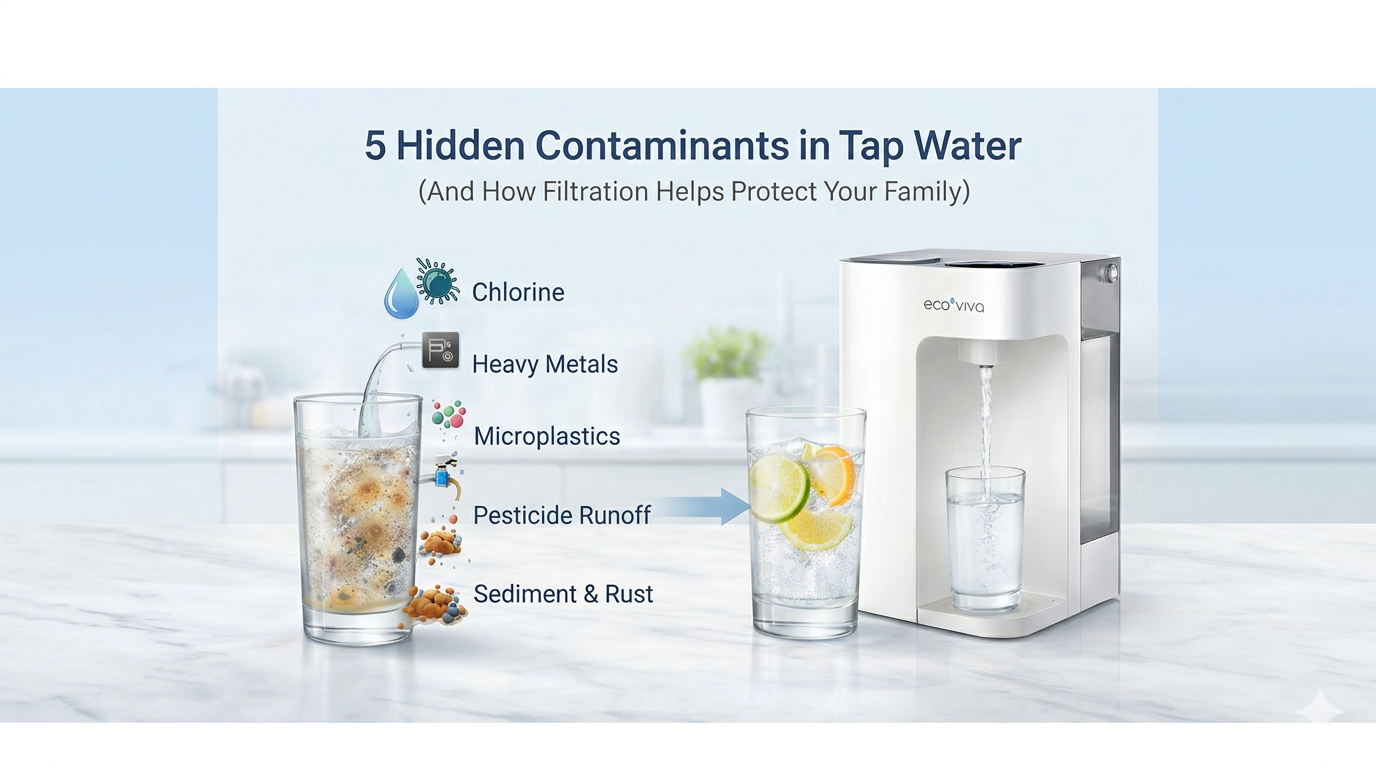
You turn on the faucet, fill up your glass, and take a sip. It looks crystal clear, so it must be completely safe, right? Not necessarily. While municipal water treatment plants do a heavy lift to make our water drinkable, the journey from the facility to your kitchen sink is surprisingly long. Along the way—whether from aging underground pipes, environmental runoff, or the treatment process itself—your water can pick up some unwanted guests. If you’ve ever noticed a weird chemical smell, cloudy water, or simply want to be absolutely sure your family is drinking the safest water possible, it’s time to look a little closer. Here are five hidden contaminants that might be lurking in your tap water, and what you can do about them.
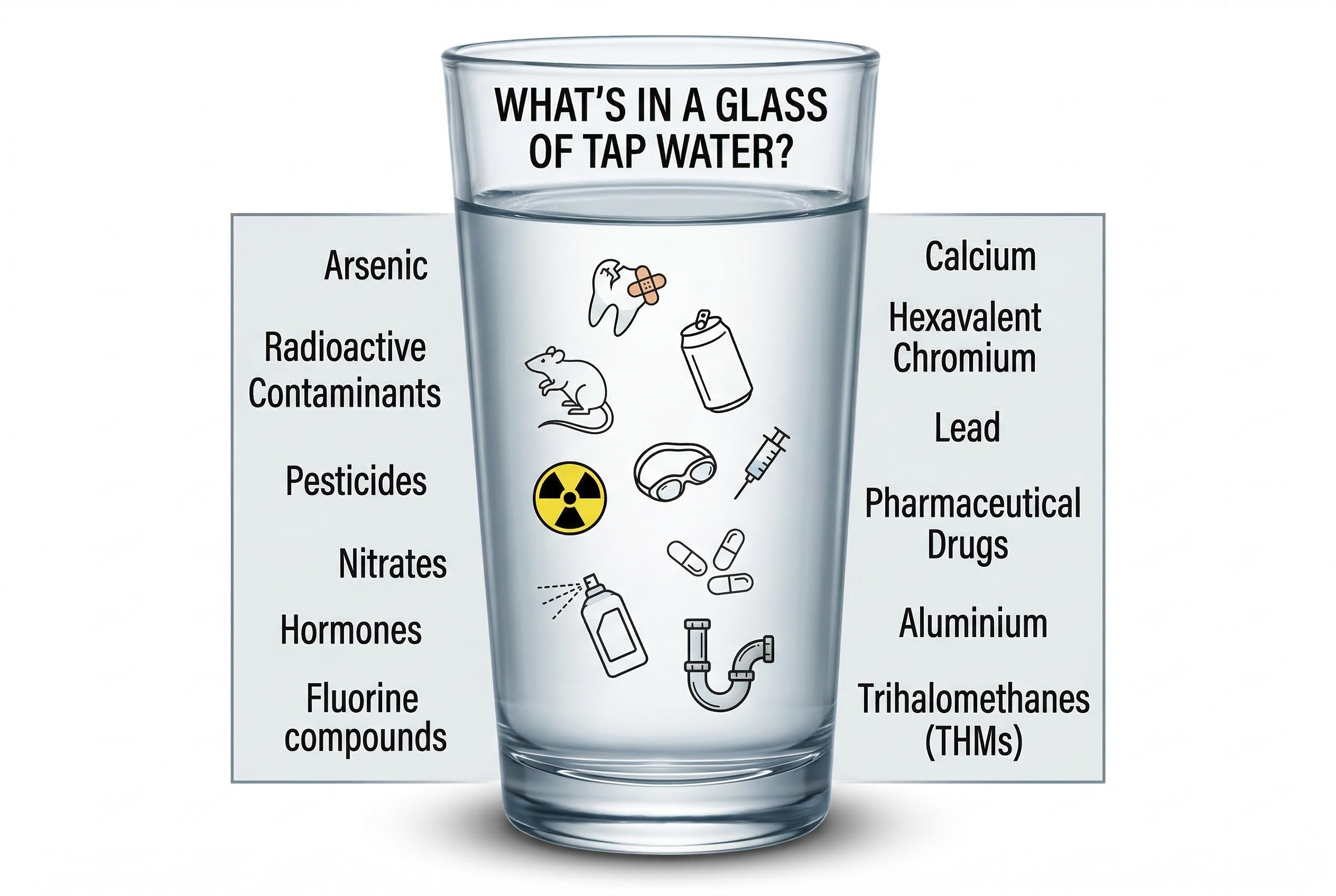
1. Chlorine and Disinfection Byproducts (The "Pool Smell")
Have you ever poured a glass of water that smelled faintly like a swimming pool? That’s chlorine. City water facilities use it for a great reason: to kill harmful bacteria and keep the water supply safe from waterborne diseases.
However, once the chlorine has done its job, it doesn't just disappear. When chlorine reacts with natural organic matter in the water, it forms Disinfection Byproducts (DBPs). Not only do these leave your water tasting harsh and bitter, but many families prefer to limit their exposure to these leftover chemicals. A good carbon-based or reverse osmosis filter can easily strip that chemical taste right out.
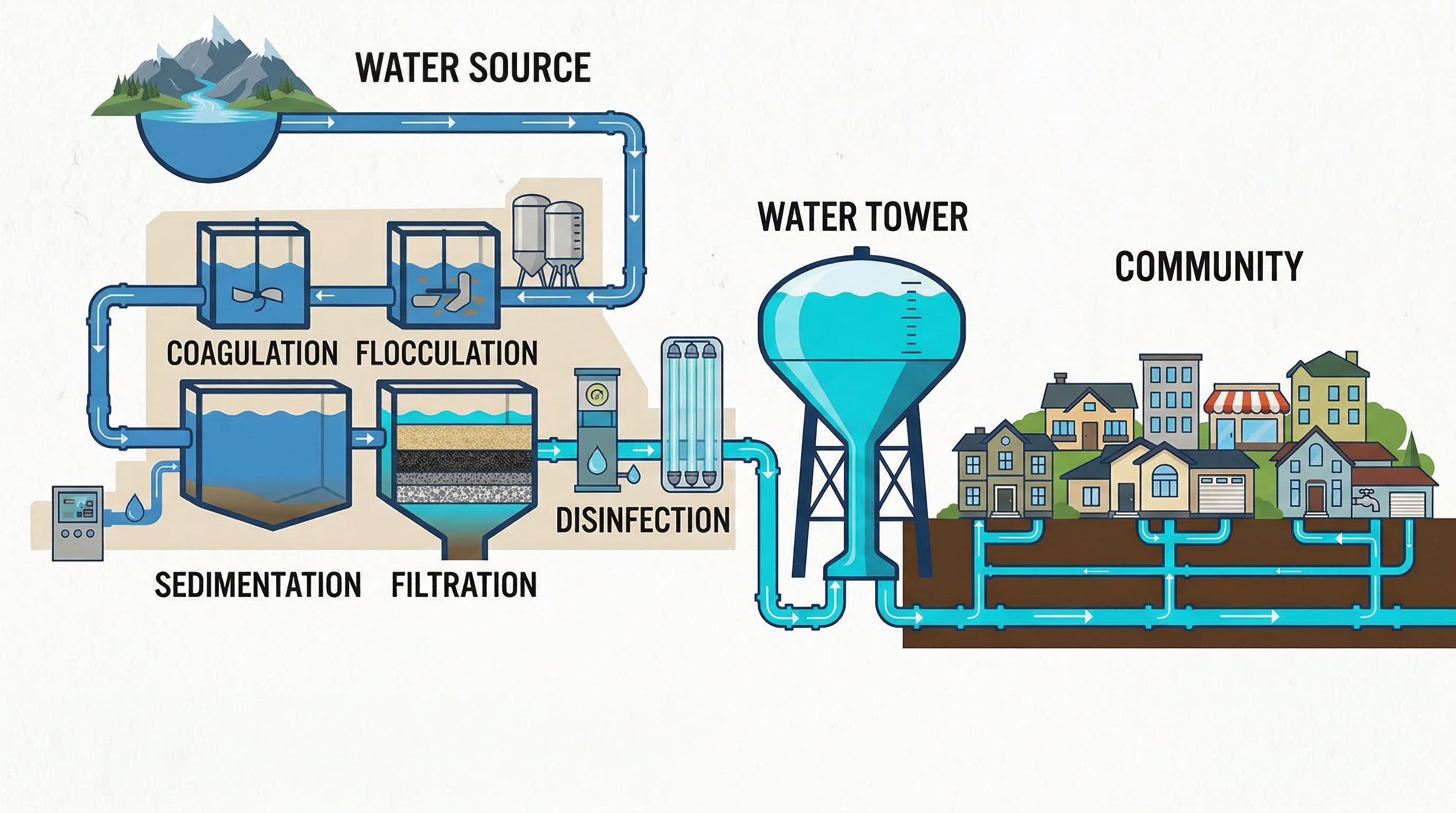
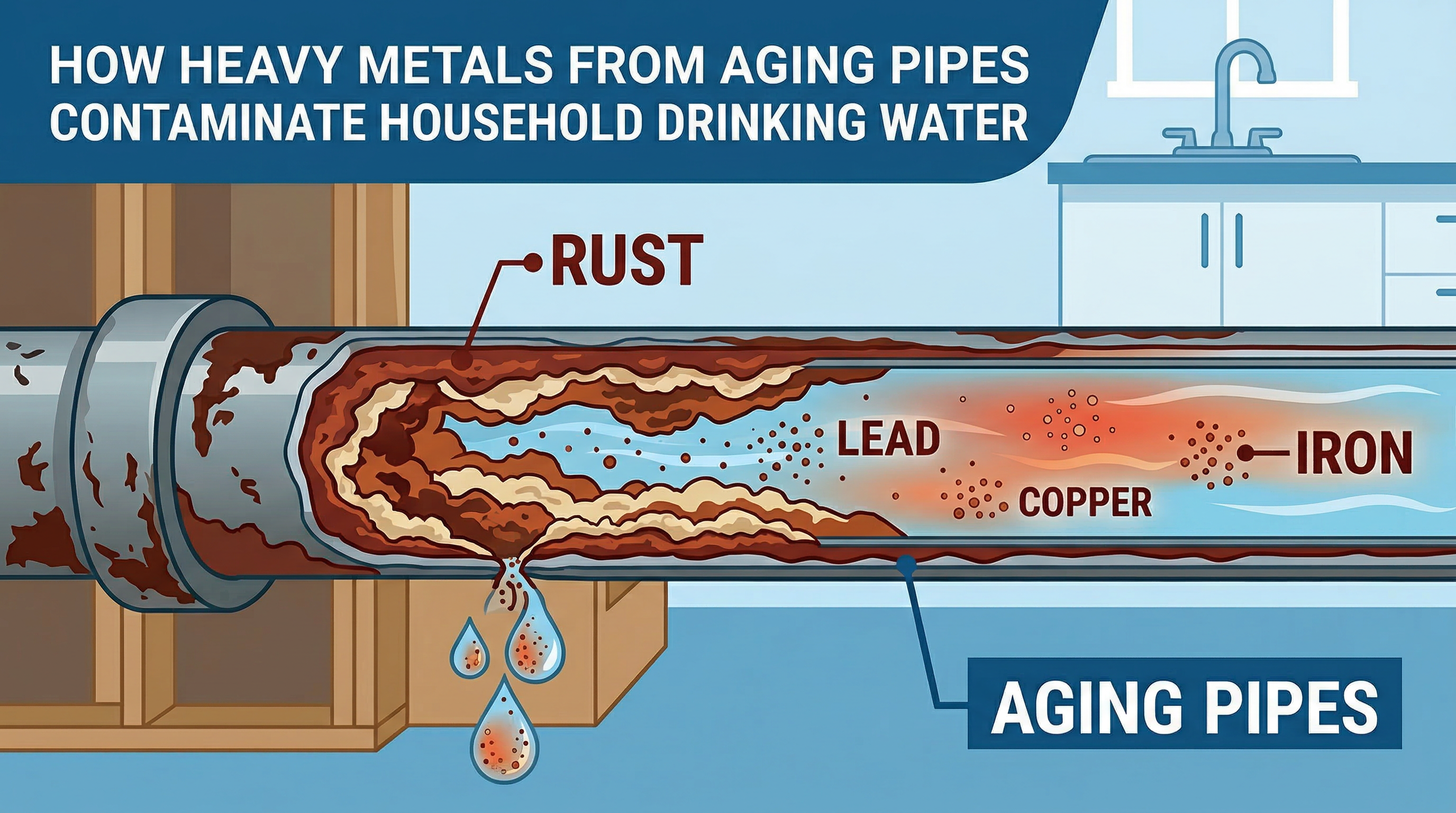
2. Heavy Metals from Aging Infrastructure
There’s a lot of charm in older neighborhoods, but there’s no charm in old plumbing. Heavy metals like lead, copper, and mercury often don't come from the water source itself; they leach into the water as it travels through decades-old, corroding pipes. Because heavy metals are completely invisible and tasteless, you won’t know they are there without a water test. Even at microscopic levels, continuous exposure to heavy metals is a major health concern, especially for young children. Upgrading to a certified heavy-metal filtration system is one of the most effective ways to protect your household.
3. Microplastics (The Modern Pollution)
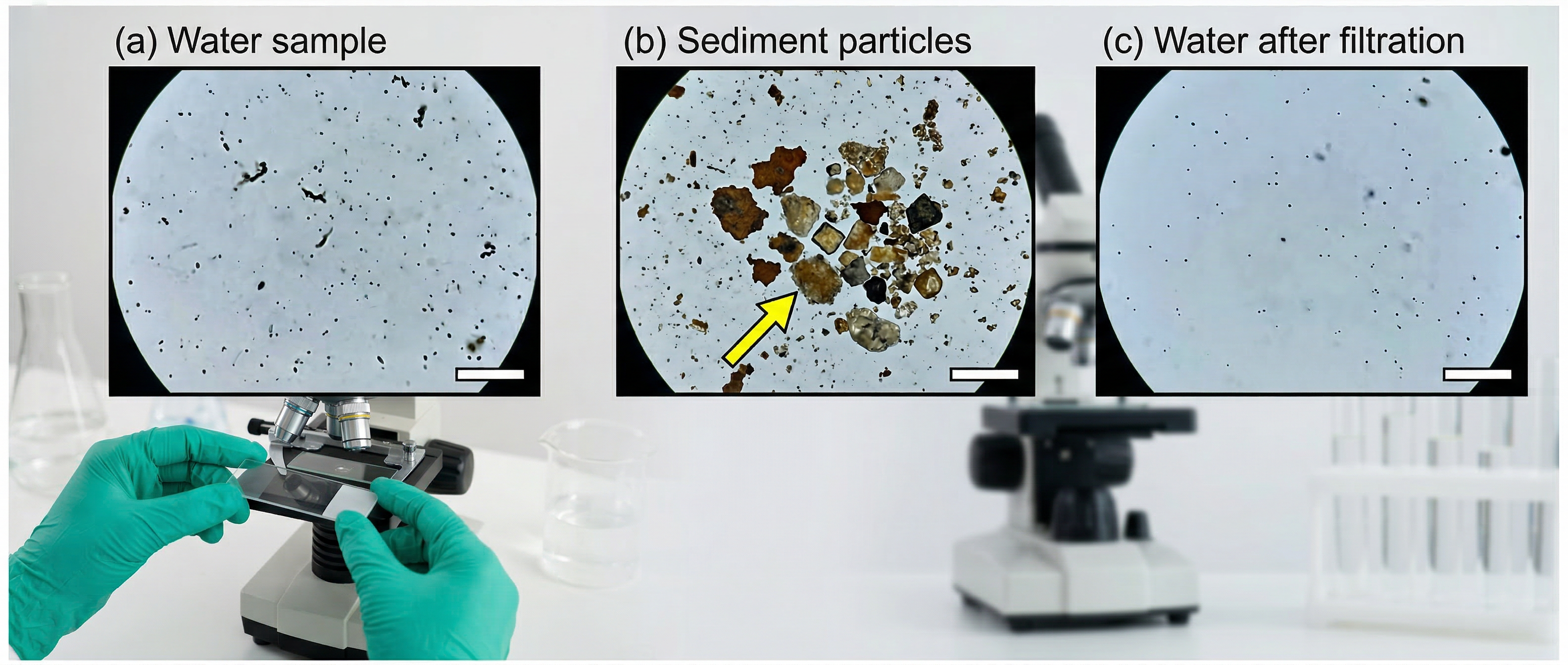
Microplastics are the tiny, often microscopic plastic fragments left behind as larger plastics break down. Unfortunately, this isn't just an ocean problem anymore. Recent global water studies have found microplastics in both bottled water and municipal tap water. While scientists are still studying the long-term health impacts of consuming plastic particles, the "yuck factor" alone is enough to make most of us think twice. Standard pitcher filters often miss these incredibly small particles, which is why advanced home filtration technology is becoming a must-have for health-conscious families.
4. Pesticides and Agricultural Runoff
If you live anywhere near farming regions—or even areas with heavily manicured golf courses and parks—agricultural runoff is a real threat to local groundwater.
When it rains, traces of pesticides, herbicides, and fertilizers wash into the soil and eventually make their way into the water table. While municipal plants filter out the vast majority of these toxins, trace amounts can still slip through during heavy storm seasons. An under-sink filtration system provides that crucial final barrier between chemical residues and your family's drinking glasses.
5. Sediment, Sand, and Rust (The "Cloudy Water" Culprits)
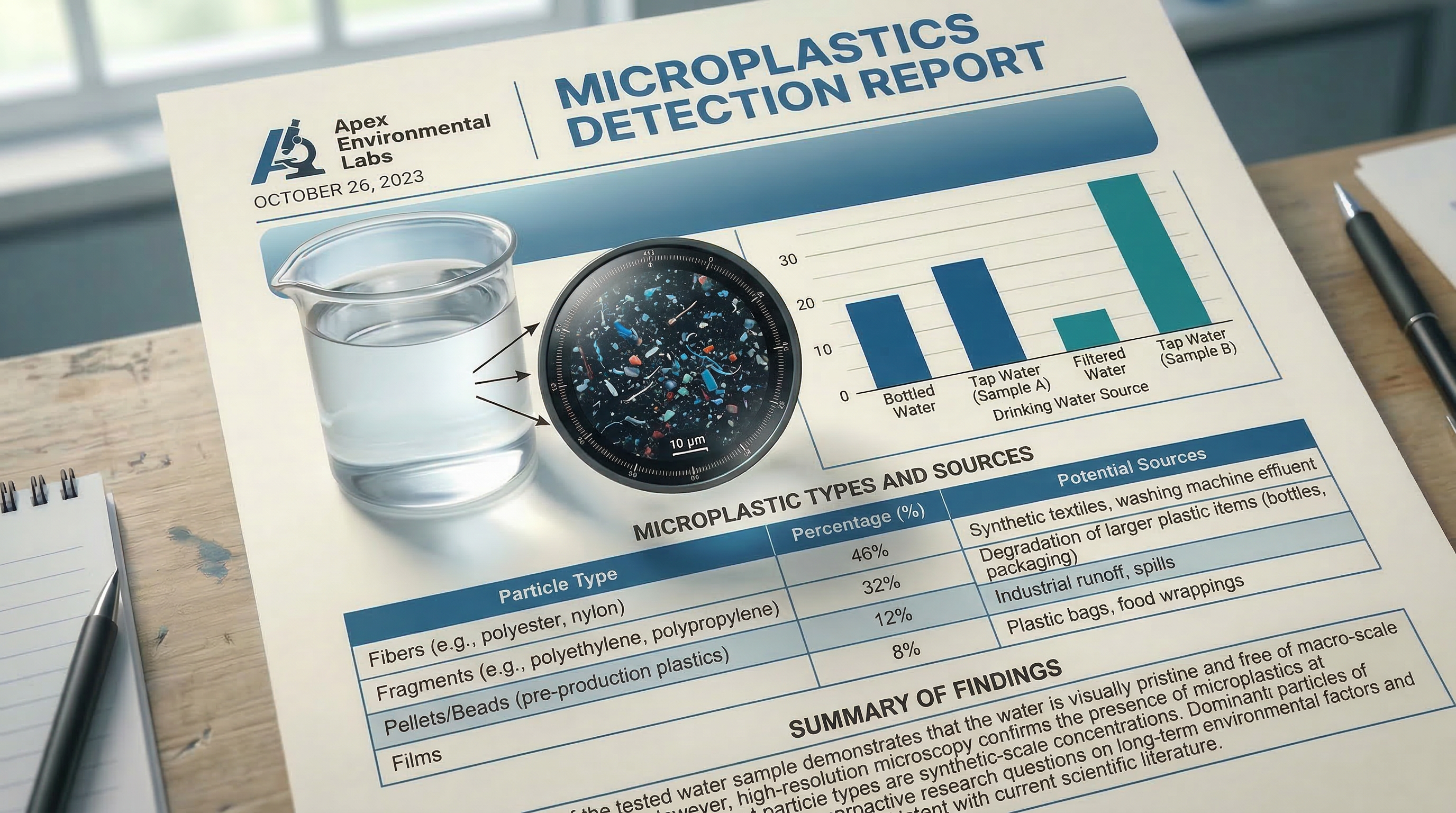
Nobody wants to drink "crunchy" water. If your tap water sometimes looks cloudy, brown, or settles with a bit of grit at the bottom of the glass, you're likely dealing with sediment. Disturbances in the main water lines (like nearby construction) or rusting pipes inside your own walls can send sand, dirt, and mineral deposits straight to your tap. While swallowing a little sand usually isn't dangerous, it completely ruins the clarity, taste, and experience of your drinking water. Plus, sediment can wreak havoc on your coffee maker and plumbing appliances over time.
Why So Many Families Are Switching to Home Water Filtration
Relying solely on city water treatment is like relying on the minimum requirement. It gets the job done, but it doesn't give you the highest quality result. Installing a home filtration system puts the control back in your hands.
Homeowners are making the switch to:
-
Instantly improve taste and odor (say goodbye to the chlorine smell).
-
Filter out microscopic threats like heavy metals and microplastics.
-
Protect appliances from sediment and hard water buildup.
-
Save money and the planet by ditching single-use plastic water bottles.
Frequently Asked Questions About Tap Water Quality:
-
Is tap water actually safe to drink?
In most developed areas, tap water strictly follows local safety regulations. However, "legal" doesn't always mean "perfect." Trace contaminants can still exist based on your local geography and the age of your home's pipes.
-
Is bottled water safer than tap water?
Not always. In fact, many bottled water brands are simply glorified, filtered municipal tap water. Furthermore, studies consistently show high levels of microplastics in bottled water due to the packaging. A high-quality home filter is usually a safer, cheaper, and far more eco-friendly long-term solution.
-
Can a home water filter really make a difference?
Absolutely. Specialized systems, especially Reverse Osmosis (RO) filters, are designed to catch impurities down to the microscopic level—removing chlorine, lead, sediment, and more, leaving you with nothing but pure water.
-
Ready to Upgrade Your Home's Water?
Clean drinking water is the foundation of your family's everyday health. You shouldn't have to second-guess what's coming out of your kitchen faucet. If you're tired of weird-tasting tap water or constantly buying heavy cases of bottled water, it’s time to make a change. Modern reverse osmosis filtration systems can easily fit under your sink, stripping away a massive range of hidden contaminants and delivering fresh, pure, great-tasting water on demand.